Story
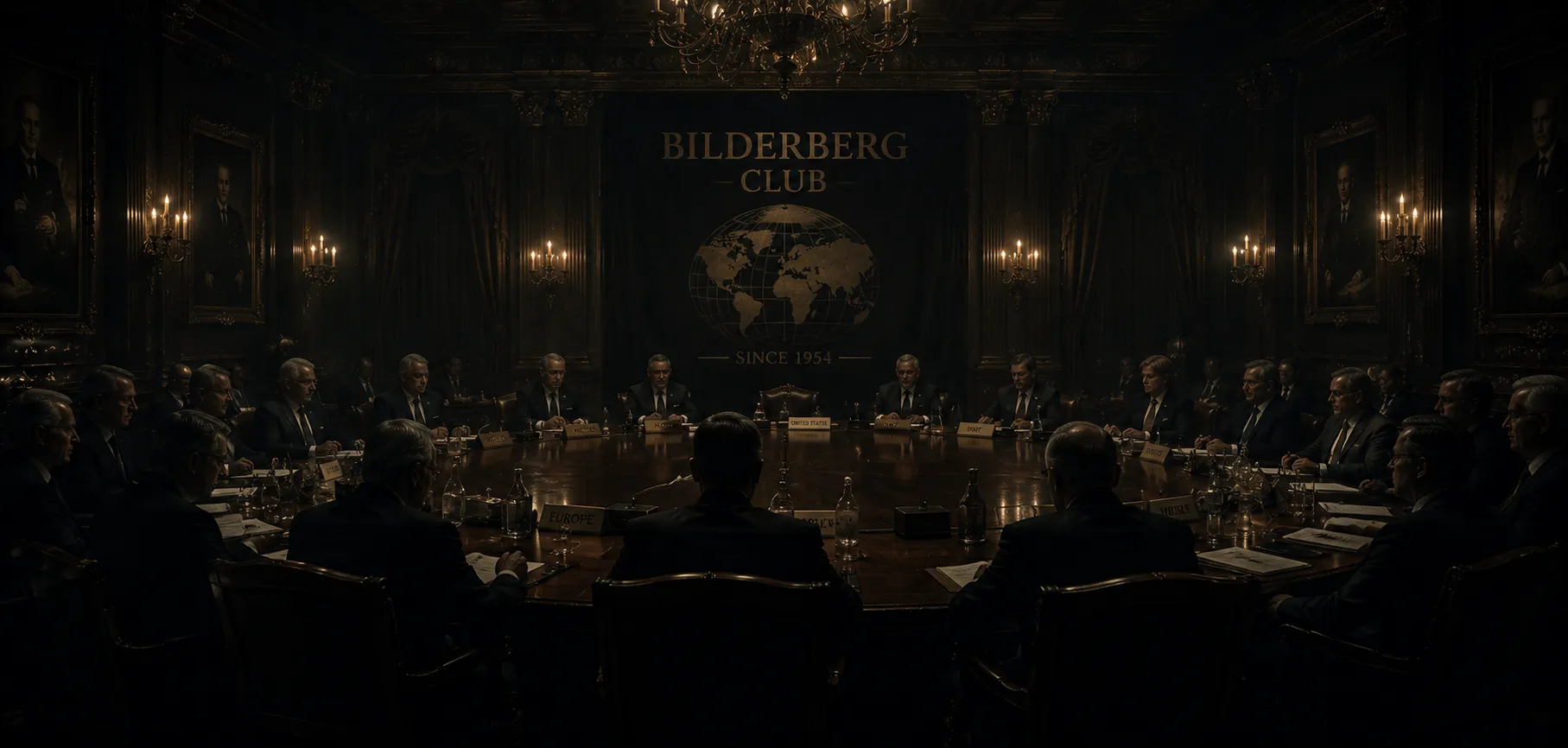
The Bilderberg Group is an annual conference bringing together politicians, business leaders, experts, academics, and influential figures from around the world.
Founded in 1954, its official purpose is to encourage informal discussions between international decision-makers on economic, political, technological, and geopolitical issues.
Meetings are held under the Chatham House Rule, allowing participants to speak freely without public attribution of their remarks.
This secrecy has fueled numerous conspiracy theories. Some claim that major decisions regarding the global economy, international conflicts, or world governance are made during these meetings.
Participants regularly include heads of state, ministers, corporate executives, bankers, researchers, and leaders of international organizations.
No credible evidence has shown that the Bilderberg Group secretly controls world affairs. However, the influence of its members and the confidential nature of its meetings continue to generate debate and speculation.
Today, the Bilderberg Group remains one of the world's most famous and controversial private gatherings.
Credits and origin
The Bilderberg Group was founded in 1954 at the Hotel Bilderberg in Oosterbeek, Netherlands, from which it takes its name.
The initiative was intended to strengthen dialogue between Europe and North America during the post-war period and the Cold War.
Since its creation, the meetings have hosted many influential figures from politics, finance, industry, academia, and the media.
The confidential nature of its discussions has contributed greatly to the group's mysterious reputation and its frequent association with New World Order conspiracy theories.
Main inspirations:
• International conferences
• Political elites
• Major corporations
• Geopolitics
• Transatlantic relations
• New World Order theories
Origin: Netherlands
Founded: 1954
Place of Creation: Hotel Bilderberg
Type: Private international conference
Current Status: Active
Participants: Political, economic, and academic leaders
Popularization: Media coverage, documentaries, and conspiracy theories